Revolutionizing Medical Education: E-Learning Courses and Online Training Programs
Understanding Medical Education in the Digital Age
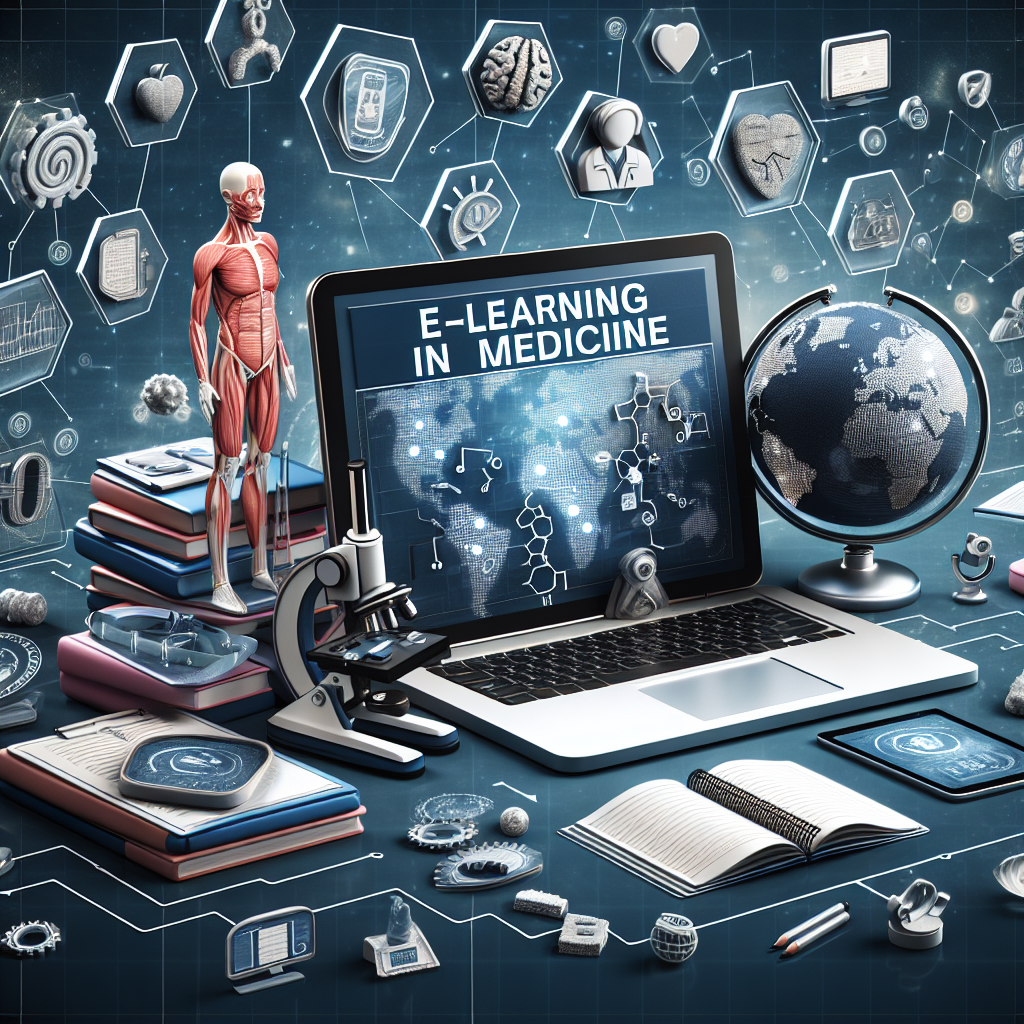
Medical education has undergone a significant transformation in recent years, particularly with the advent of digital technology. Traditional methods of teaching, such as lectures and hands-on workshops, are now complemented by e-learning courses and online training programs. This shift not only enhances learning experiences but also makes medical education more accessible to a diverse audience.

The Rise of E-Learning in Medical Education
E-learning refers to the use of electronic technologies to access educational curriculum outside of a traditional classroom. In the medical field, this approach has been embraced for its flexibility, convenience, and ability to provide a wide range of resources. Here are some key benefits of e-learning in medical education:
- Accessibility: Students can learn from anywhere in the world, eliminating geographical barriers.
- Flexibility: E-learning allows learners to set their own pace, enabling them to balance studies with personal and professional commitments.
- Cost-Effectiveness: Online courses often come at a lower cost than traditional education, making them more affordable.
- Diverse Learning Resources: E-learning platforms offer a variety of materials, including videos, quizzes, and interactive simulations.
Types of Online Medical Training Programs
Online medical training programs vary widely, catering to different levels of expertise and areas of specialization. Here are the main categories of online medical training:

1. Certificate Programs
These short courses are designed for healthcare professionals looking to enhance their skills or specialize in a specific area. They typically last a few weeks to a few months and cover topics such as:
- Advanced Cardiac Life Support (ACLS)
- Pediatric Advanced Life Support (PALS)
- Infection Control
- Healthcare Management
2. Degree Programs
Many universities now offer online degree programs in various medical fields, including:

- Bachelor of Science in Nursing (BSN)
- Master of Public Health (MPH)
- Doctor of Nursing Practice (DNP)
- Master of Health Administration (MHA)
3. Continuing Medical Education (CME)
CME courses are essential for healthcare professionals to maintain their licenses and stay updated on the latest medical advancements. These programs often include:
- Webinars and online workshops
- Interactive case studies
- Self-paced learning modules
4. Interactive Medical Education Platforms
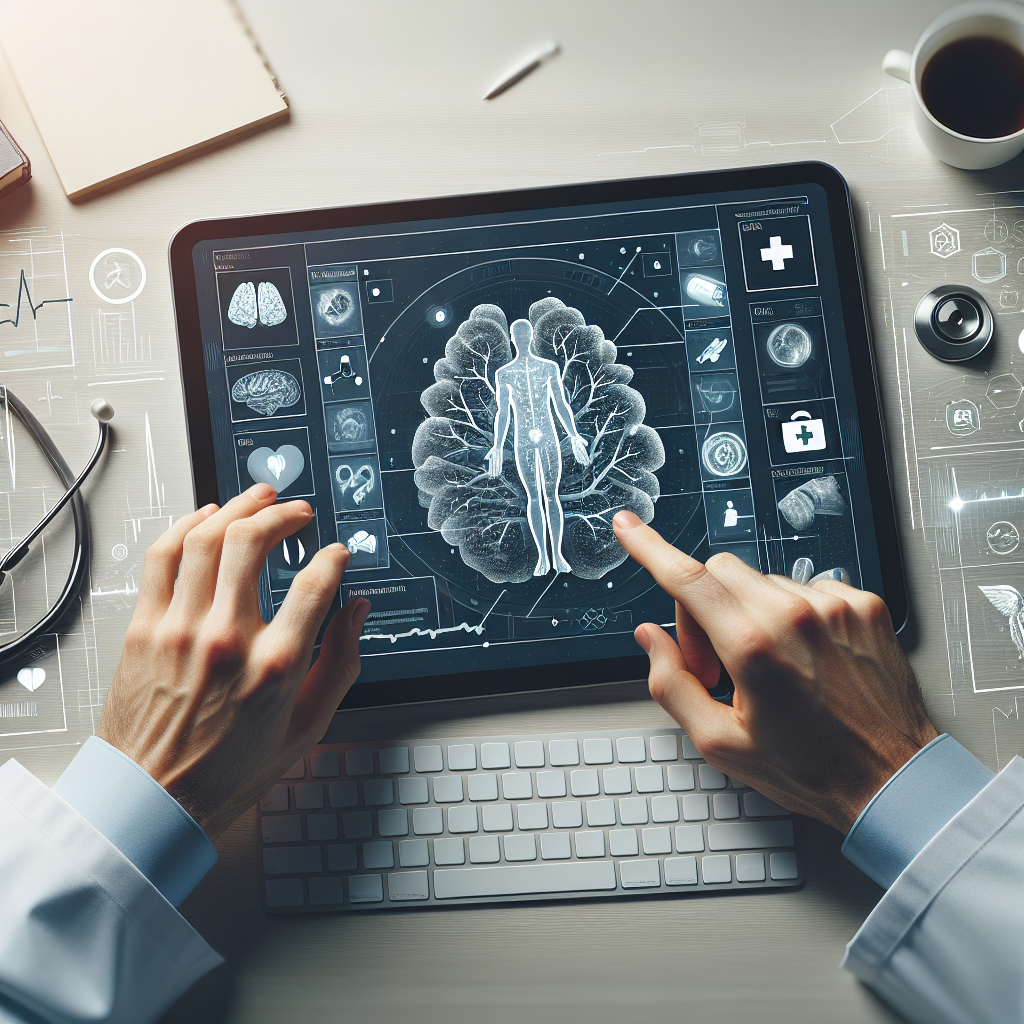
Interactive platforms provide a dynamic learning environment through simulations, virtual labs, and gamified learning experiences. These platforms often include:
- Virtual patient interactions
- 3D anatomical models
- Real-time feedback and assessments
Key Features of Effective Medical E-Learning Courses
When choosing an online medical education course, it’s essential to consider several key features that contribute to an effective learning experience:
| Feature | Description |
|---|---|
| User-Friendly Interface | The platform should be easy to navigate, allowing learners to focus on the content. |
| Mobile Compatibility | Courses should be accessible on various devices, including smartphones and tablets. |
| Interactive Content | Incorporating quizzes, videos, and discussions to engage learners actively. |
| Expert Instructors | Courses taught by qualified professionals enhance credibility and knowledge transfer. |
| Certification | Upon completion, students should receive a certificate that adds value to their professional credentials. |
Challenges and Considerations in Online Medical Education
While the benefits of online medical education are significant, there are also challenges that learners and institutions need to address:
- Self-Discipline: Online learning requires a high degree of self-motivation and time management skills.
- Limited Hands-On Experience: Some medical skills require hands-on practice that may not be fully replicable online.
- Technology Barriers: Not all learners have equal access to the necessary technology and internet connectivity.
- Quality Assurance: Ensuring that online courses meet educational standards and provide quality content is crucial.
Future Trends in Medical E-Learning
The landscape of medical education is continuously evolving. Here are some trends shaping the future of medical e-learning:
- Artificial Intelligence: AI is being integrated into educational platforms to provide personalized learning experiences.
- Virtual Reality (VR) and Augmented Reality (AR): These technologies are enhancing simulation-based learning, making it more immersive.
- Data Analytics: Institutions are using data analytics to track learner progress and improve course offerings.
- Collaborative Learning: Online platforms are fostering collaboration among students through discussion forums and group projects.
Frequently Asked Questions (FAQ)
1. What are the benefits of online medical education?
Online medical education offers flexibility, accessibility, cost-effectiveness, and a variety of learning resources, making it an attractive option for many healthcare professionals.
2. Are online medical courses accredited?
Many online medical courses are accredited by recognized institutions. It’s essential to verify the accreditation status before enrolling in any program.
3. How do I choose the right online medical training program?
Consider factors such as course content, instructor qualifications, user reviews, and the platform’s features when selecting an online training program.
4. Can I earn a degree online in the medical field?
Yes, many universities offer online degree programs in various medical fields, including nursing, public health, and healthcare administration.
5. What technology do I need for online medical courses?
A reliable internet connection, a computer or tablet, and access to necessary software (like video conferencing tools) are generally required for online medical courses.
Discover more from Bibliobazar Digi Books
Subscribe to get the latest posts sent to your email.